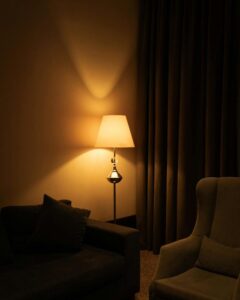

Creating a comfortable and clutter-free home office is essential for maintaining focus and boosting productivity. With many people working remotely or spending more time at home, having an organised workspace is more important than ever. If your desk is buried under piles of papers or you struggle to find important items, it’s time for a fresh approach. Here are some practical tips to help you organise a clutter-free home office space.
Why a Clutter-Free Office Matters
Before we dive into the tips, it’s worth understanding why keeping your workspace tidy makes a difference. A cluttered environment can increase stress and distract you from your work. Conversely, a clean and organised space supports clear thinking, reduces time spent looking for things, and can even improve your mood. In short, a clutter-free office creates the foundation for a more efficient and enjoyable workday.
Assess Your Space and Needs
Evaluate Your Current Setup
Start by looking at your office space critically. Ask yourself:
– What items do I use daily?
– Which supplies are essential and which can be stored elsewhere?
– What items are purely decorative, and do they help or hinder my focus?
Taking stock helps you decide what stays on your desk, what gets stored, and what should be removed.
Consider the Available Space
Measure your desk area, shelves, and storage units. Knowing your space limits will guide you in choosing suitable storage solutions and prevent overcrowding.
Declutter Regularly
Sort and Categorise
Use the classic “keep, donate, recycle, or throw away” method to sort through your office items. Only keep what’s useful or brings you joy.
Adopt a Paperless Approach
Reduce physical paperwork by scanning documents and saving them digitally. Use apps or cloud storage for easy access and less mess.
Set a Weekly Tidy-Up
Spend 10 to 15 minutes at the end of each week clearing your workspace. This routine prevents clutter building up and keeps your office inviting.
Smart Storage Solutions
Use Vertical Space
Install shelves or wall-mounted storage to free desk space. Vertical storage is perfect for books, files, and decorative items.
Drawer Organisers
Use dividers or trays in drawers to keep stationery and supplies neatly separated. This makes it easier to locate things quickly.
Label Everything
Labelling boxes, files, or bins adds clarity to your storage system. It also encourages you to put items back in their proper place.
Effective Desk Organisation
Keep Only Essentials Within Reach
Your desk should have only the items you use daily — such as your computer, notepad, pens, and your calendar or planner.
Cable Management
Use clips, ties, or cable boxes to prevent messy wires cluttering your desk surface. A tidy workspace looks neater and is safer.
Personal Touches
Add a plant, a photo frame, or a small ornament to make the space personal but avoid overcrowding the desk. Minimal decorative items can boost motivation.
Optimising Lighting and Ergonomics
Natural Light
Try to position your desk near a window for natural daylight, which can improve productivity and mood.
Task Lighting
Use adjustable desk lamps to provide focused lighting when natural light is insufficient.
Comfortable Furniture
Choose a supportive chair and ensure your desk height suits your working posture. An organised, comfortable space is less likely to cause fatigue.
Digital Organisation
Declutter Your Desktop
Keep digital files organised with clear folder structures. Delete or archive old files regularly.
Use Productivity Tools
Apps like calendars, to-do lists, and reminders help you stay on track without creating paper clutter.
Maintaining Your Clutter-Free Space
Set Boundaries
Workspaces can quickly get shared with personal items. Set boundaries about what belongs in the office to maintain order.
Create Work Zones
Designate areas for specific tasks such as computing, reading, or meetings. This can help separate work items and reduce clutter.
Be Mindful When Bringing New Items In
Before buying or bringing something new into your office, ask whether it’s truly necessary.
—
In conclusion, organising a clutter-free home office requires a mindful approach to what you keep, how you store it, and regular maintenance. By decluttering, adopting smart storage solutions, and keeping your desk tidy, you’ll create a space that not only looks good but also supports your work and wellbeing. With these tips, your home office can become a place where focus and creativity thrive.